Prepare the space
Set up a safe resting area and supervise access to the home. Move cords, small objects, medicines, and household chemicals out of reach.

Premier Puppy Haven
Prepare your home, build gentle routines, and give your puppy room to settle in. This general guide supports—not replaces—advice from your veterinarian.
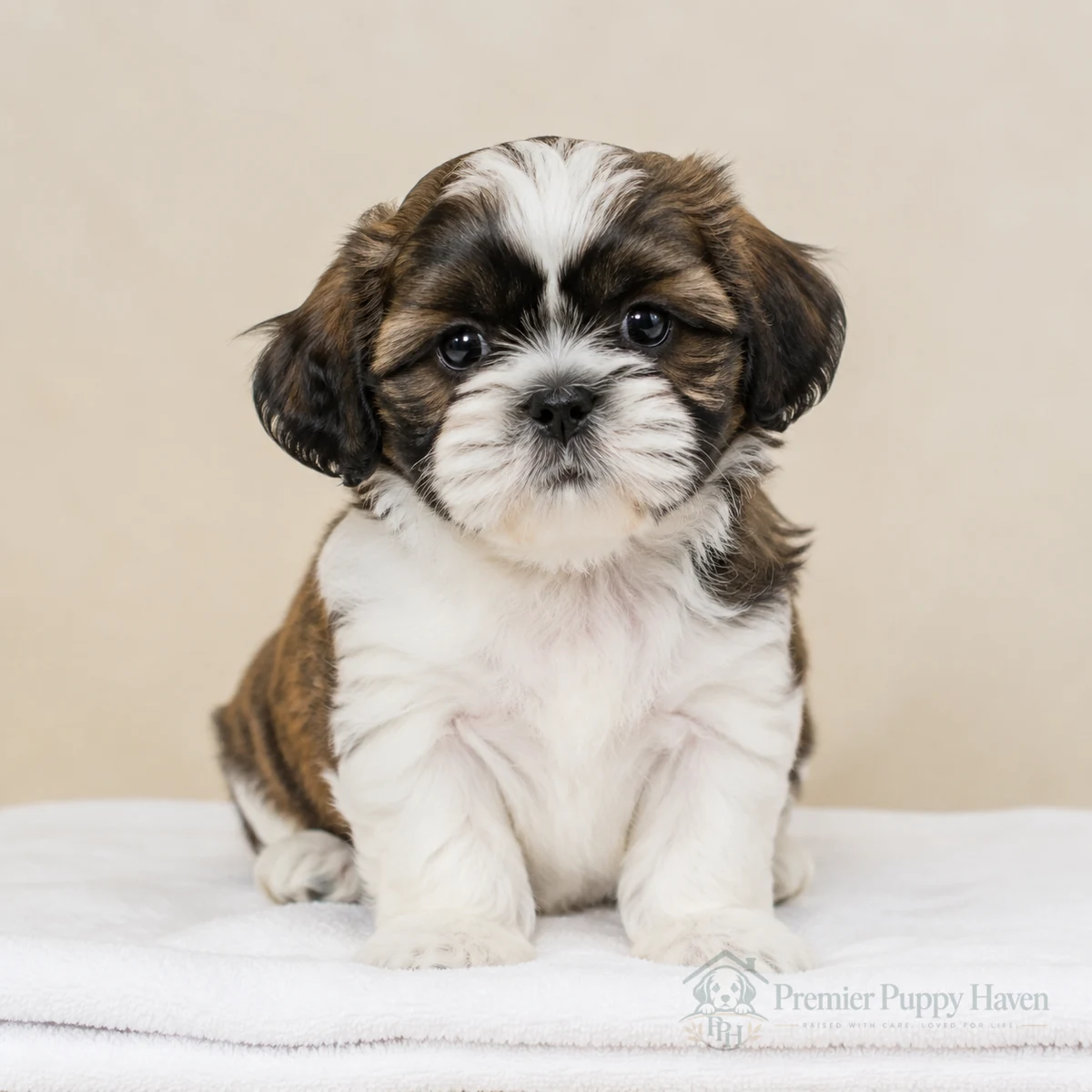
Set up a safe resting area and supervise access to the home. Move cords, small objects, medicines, and household chemicals out of reach.
Have suitable food and water bowls, the current puppy food, bedding, a secure carrier, a harness and lead, and cleaning supplies ready.
Choose a veterinarian and keep their contact details available. Agree household responsibilities before the puppy arrives.
Preparation reference: AAHA: preparing for a new puppy.
Allow time to explore at the puppy’s own pace, with close supervision and a quiet place to rest. Avoid overwhelming introductions.
Introduce a crate or resting space through positive experiences. Do not force the puppy inside or use the space as punishment.
Use patient, positive interactions. Young puppies are still learning, and a new environment takes adjustment. Do not expect perfect toilet habits or instant command responses.
Reference: AAHA: the first days with a puppy.
Ask our team for the puppy’s current food and routine before arrival. Discuss portions, meal frequency, and any food change with your veterinarian; age, size, and individual needs matter.
Keep fresh water available. Avoid making an abrupt, unplanned diet change, and ask your veterinarian for a transition plan if you need to change food. This guide does not set one feeding quantity or schedule for every puppy.
Supervise closely, offer regular toilet opportunities, and reward the behaviour you want. Avoid punishing accidents; young puppies need time and consistent guidance.
Introduce people, sounds, and surroundings gradually without forcing interaction. Ask your veterinarian about local health risks and safe contact with other dogs.
Balance short, supervised activities with quiet rest. Adjust to your puppy’s comfort and seek individual advice rather than applying one exercise target to every puppy.
Socialisation reference: AVMA: socialization of dogs and cats.
Ask a groomer or veterinarian about care for your puppy’s coat, nails, teeth, and ears. Needs vary across breeds and individual coats; introduce handling gently.
Bring the vaccination records to your veterinarian. Agree the next steps for vaccination, parasite prevention, nutrition, and routine care rather than assuming the record means care is complete.
Keep the bill of sale and health records together. Confirm how to register or transfer microchip contact details, and update them if your information changes.
Start with the breed overview and your individual puppy’s details. Ask for advice tailored to your companion when a general guide does not answer your question.
This is general educational information, not a diagnosis or personalised care plan. If your puppy seems unwell, contact a veterinarian promptly. Do not wait for a website enquiry response when veterinary attention is needed.
For further reading: AAHA puppy life-stage guidance.
Explore our companions or speak with us about your chosen puppy and destination.